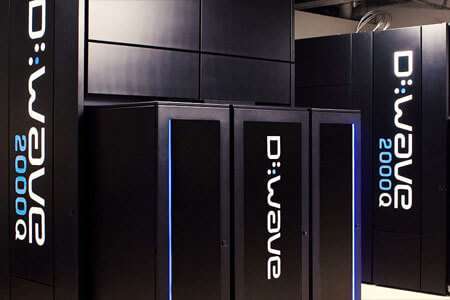

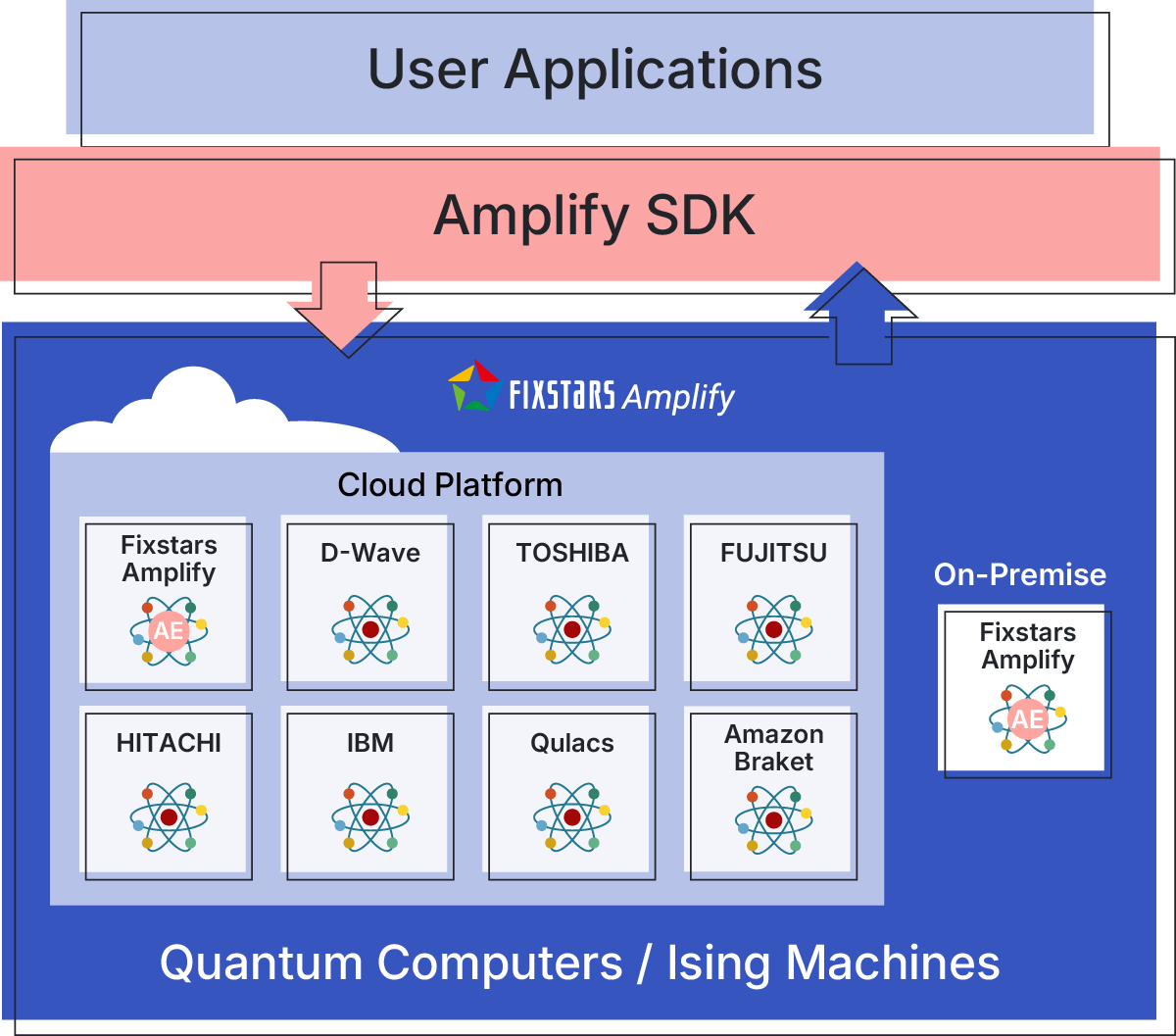
Fixstars Amplify Adds German Quantum Startup QUDORA’s Quantum Computing Environment to Its Standard Machines
IRVINE, California – May 29, 2026 – Fixstars Corporation (TSE Prime: 3687; President and CEO: Satoshi Miki), a leading company in performance engineering, today announced that its...
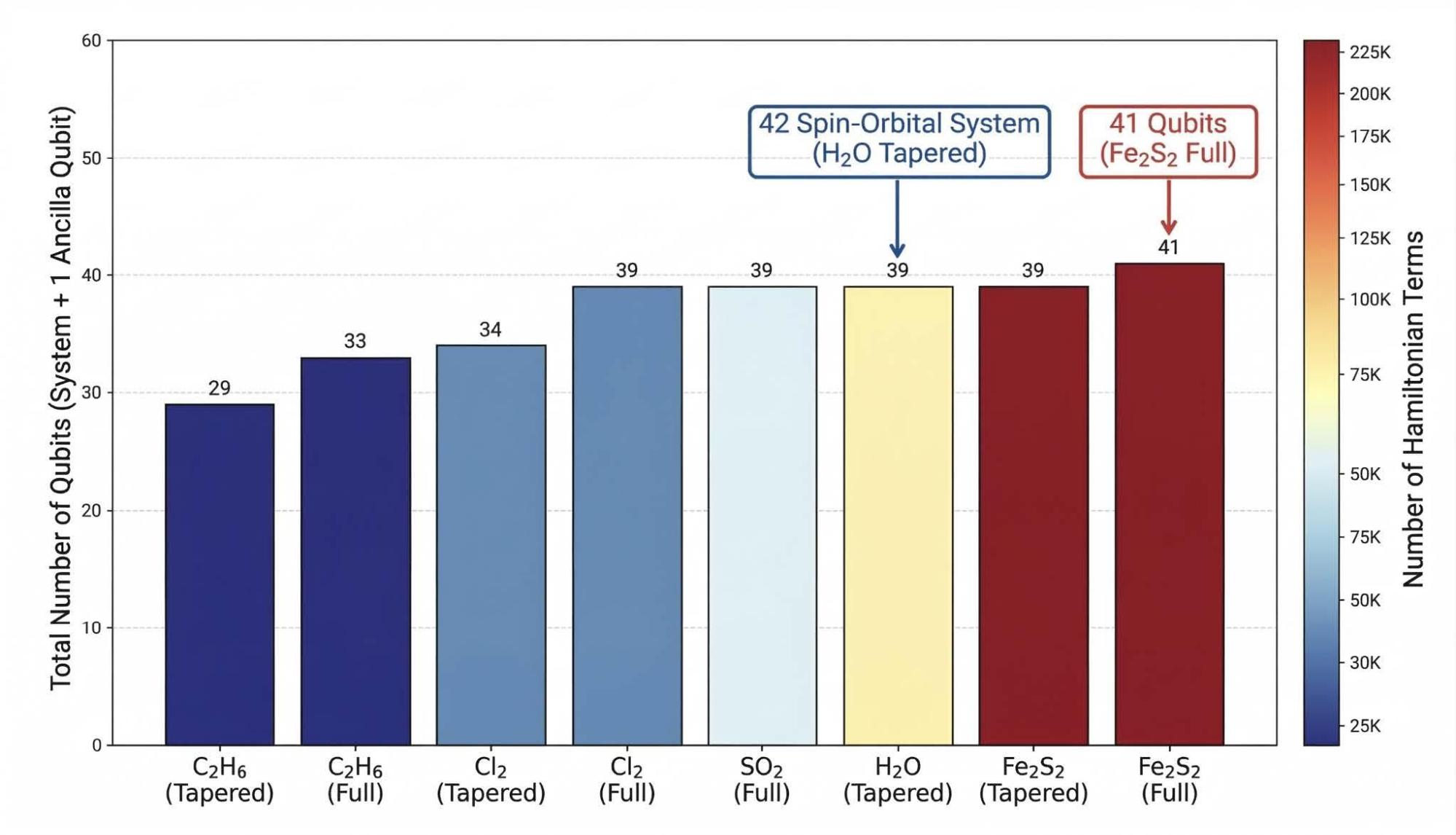
World’s largest quantum circuit simulation for quantum chemistry achieved on 1,024 GPUs
Osaka, Japan and Irvine, California, USA – A joint research team between the Center for Quantum Information and Quantum Biology (QIQB) at The University of Osaka and Fixstars Corpo...
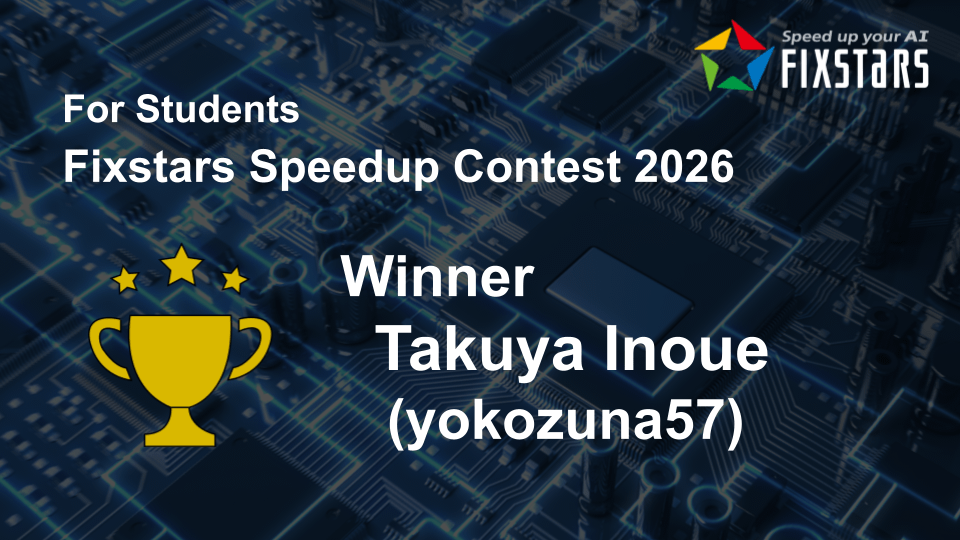
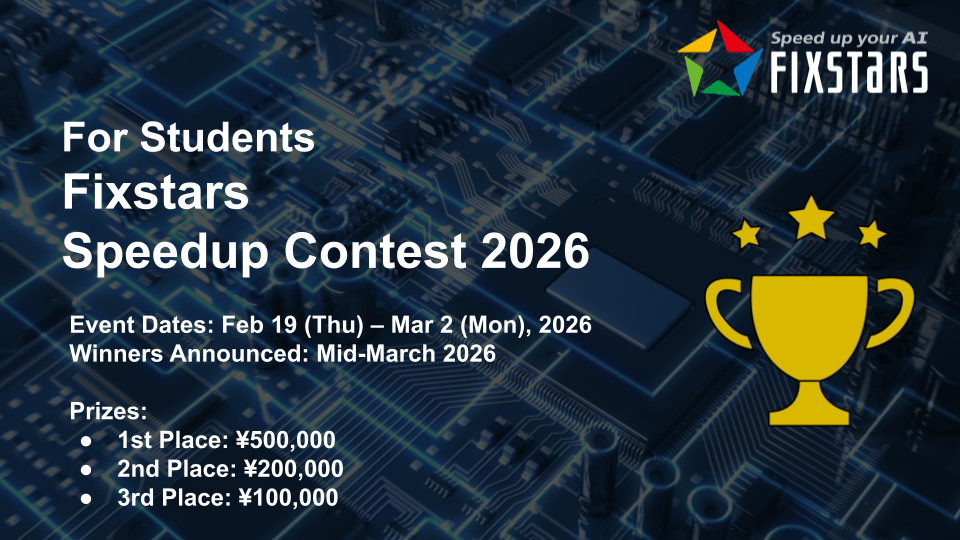
Winner Achieves Approx. 51.6x Speedup! Fixstars Acceleration Contest 2026 Results Announced
IRVINE, California – Mar 18, 2026 – Fixstars Corporation (TSE Prime: 3687, US Headquarters: Irvine, CA), a leading company in performance engineering technology, is pleased to anno...
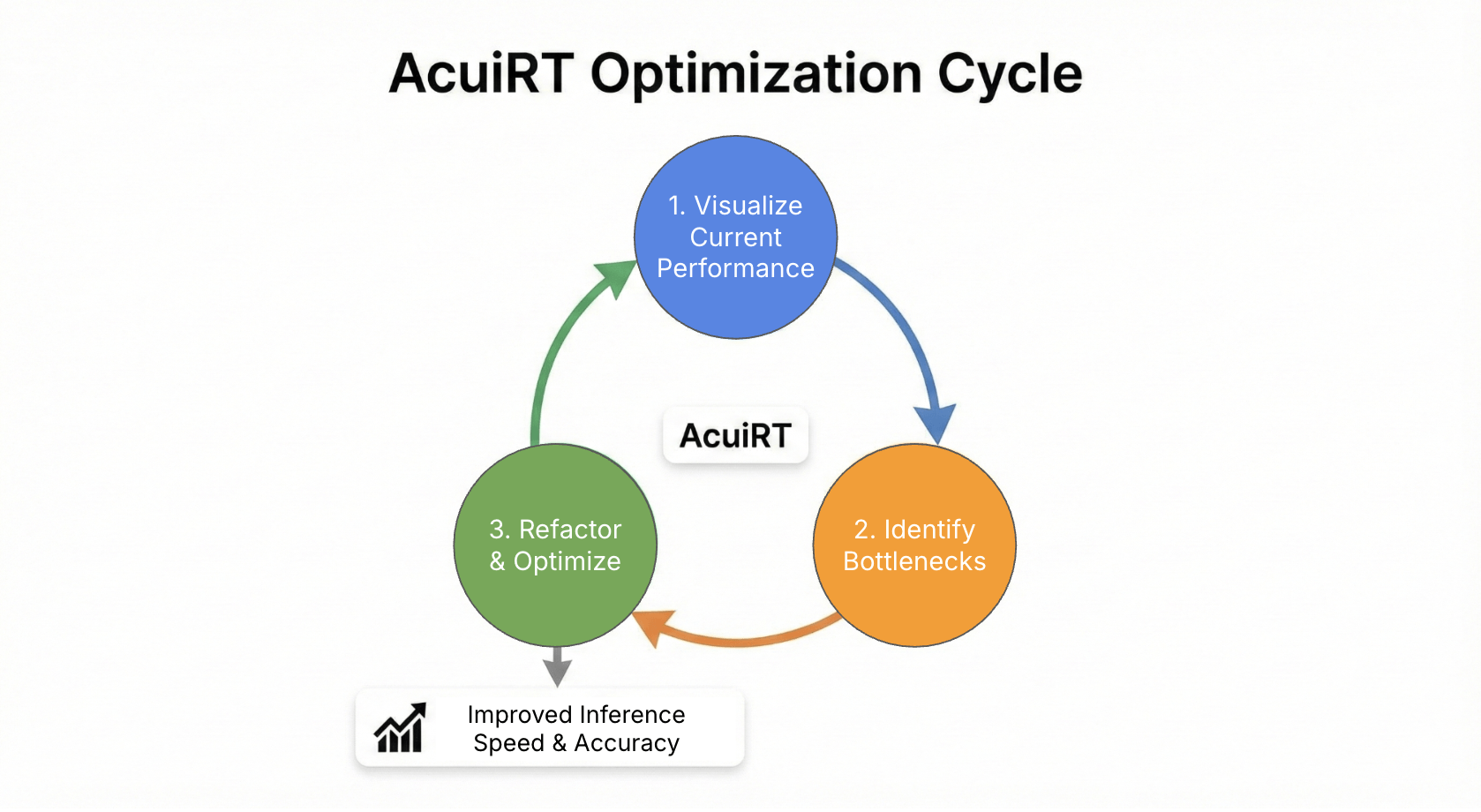
Fixstars Launches Enhanced AIBooster with Advanced AI Diagnostics and Customizable Observability
IRVINE, California – Jan 08, 2026 – Fixstars Corporation (TSE Prime: 3687, US Headquarters: Irvine, CA), a leading company in performance engineering technology, today announced th...
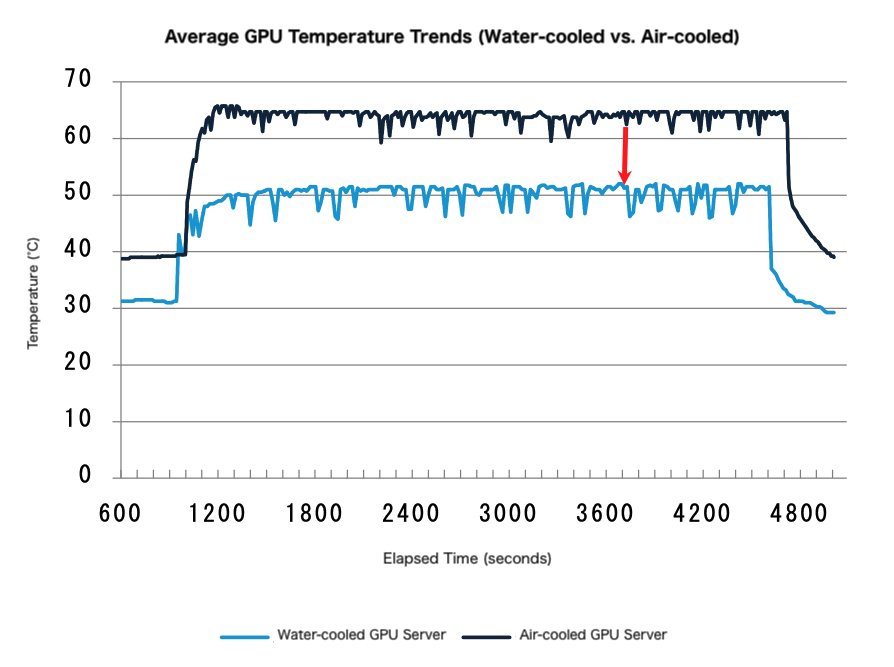
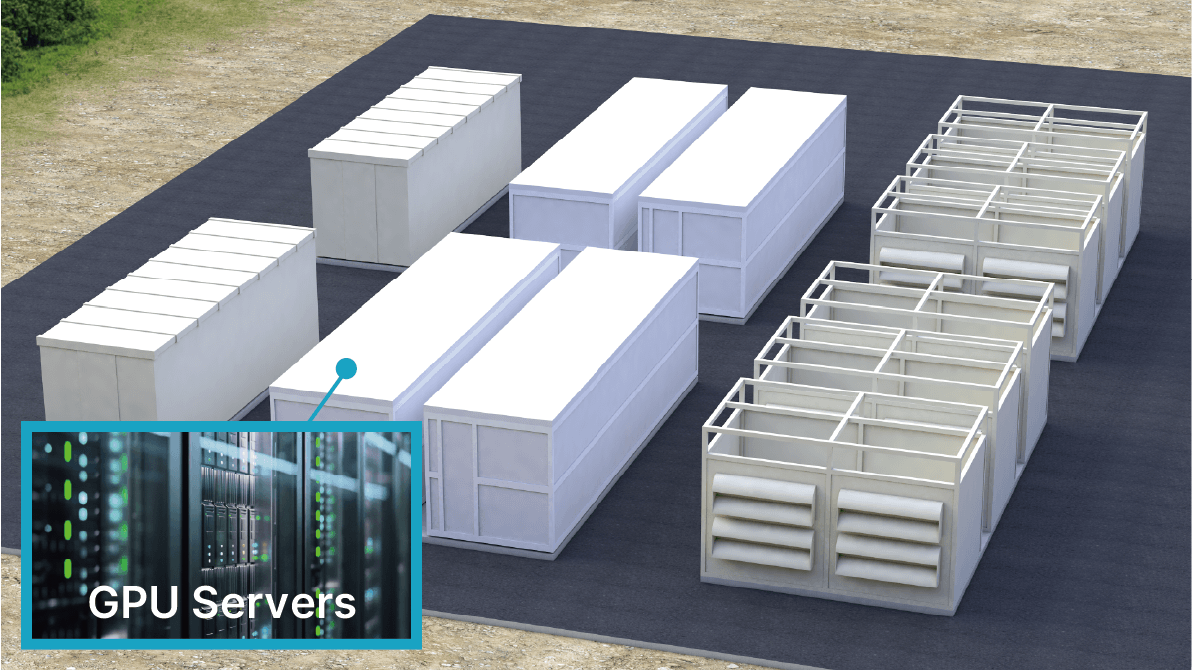
Successful Proof of Concept Advances Commercial Adoption of Liquid-Cooled GPU Servers in Japan
IRVINE, California – Dec 17, 2025 – Fixstars Corporation (TSE Prime: 3687, US Headquarters: Irvine, CA), NTTPC Communications, Inc. (NTTPC), and Getworks Co., Ltd. (Getworks) joint...
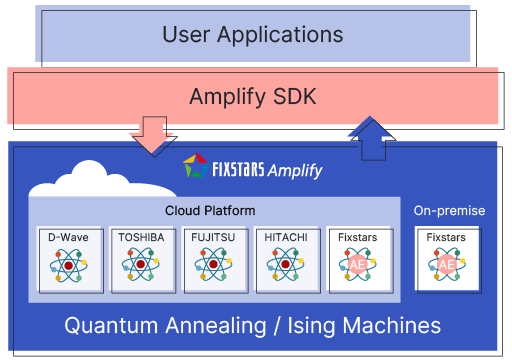
Fixstars Amplify Optimization Cloud Service Surpasses 1,000 Registered Organizations and 100 Million Cumulative Executions
IRVINE, California – Dec 11, 2025 – Fixstars Corporation (TSE Prime: 3687, US Headquarters: Irvine, CA), a leading company in performance engineering technology, today announced th...
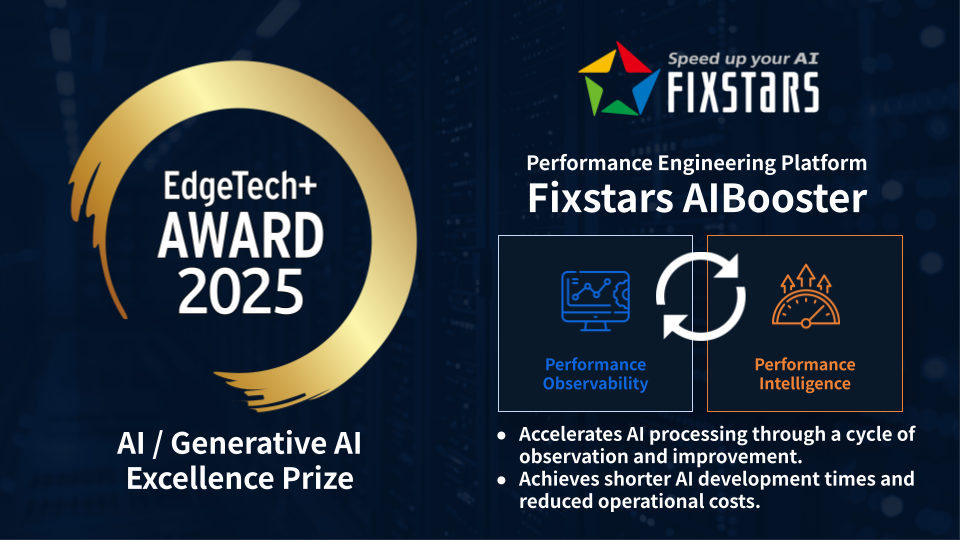
Fixstars AIBooster, AI acceleration platform, wins EdgeTech+ AWARD AI/Generative AI excellence prize
IRVINE, California - Nov 6, 2025 - Fixstars Corporation (TSE Prime: 3687, US Headquarters: Irvine, CA), a leading company in performance engineering technology, announced today tha...
Fixstars Amplify Launches On-Premises Deployment Service for Its High-Performance Combinatorial Optimization Solver "Fixstars Amplify AE"
IRVINE, California – Oct 30, 2025 – Fixstars Corporation (TSE Prime: 3687, U.S. Headquarters: Irvine, CA), a leading company in performance engineering, today announced that its gr...
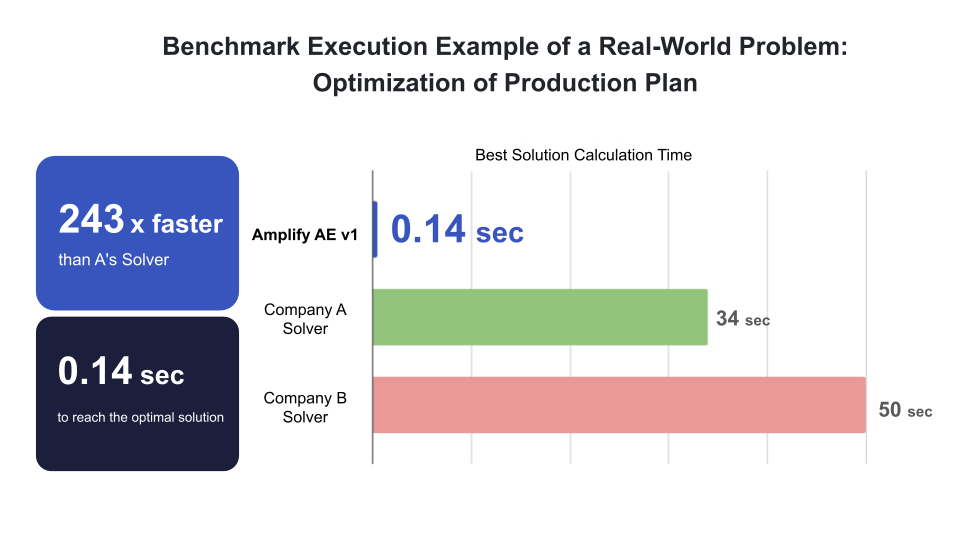
Solving Combinatorial Optimization Problems Faster and Easier! Fixstars Amplify AE Receives Major Update
IRVINE, California – Oct 17, 2025 – Fixstars Corporation (TSE Prime: 3687, U.S. Headquarters: Irvine, CA), a leading company in performance engineering, today announced that its gr...
Free Provision of Quantum Computer Development Environment under NEDO's Prize Challenge Program
The New Energy and Industrial Technology Development Organization (NEDO) will newly establish and provide a quantum computer development environment free of charge to participants...

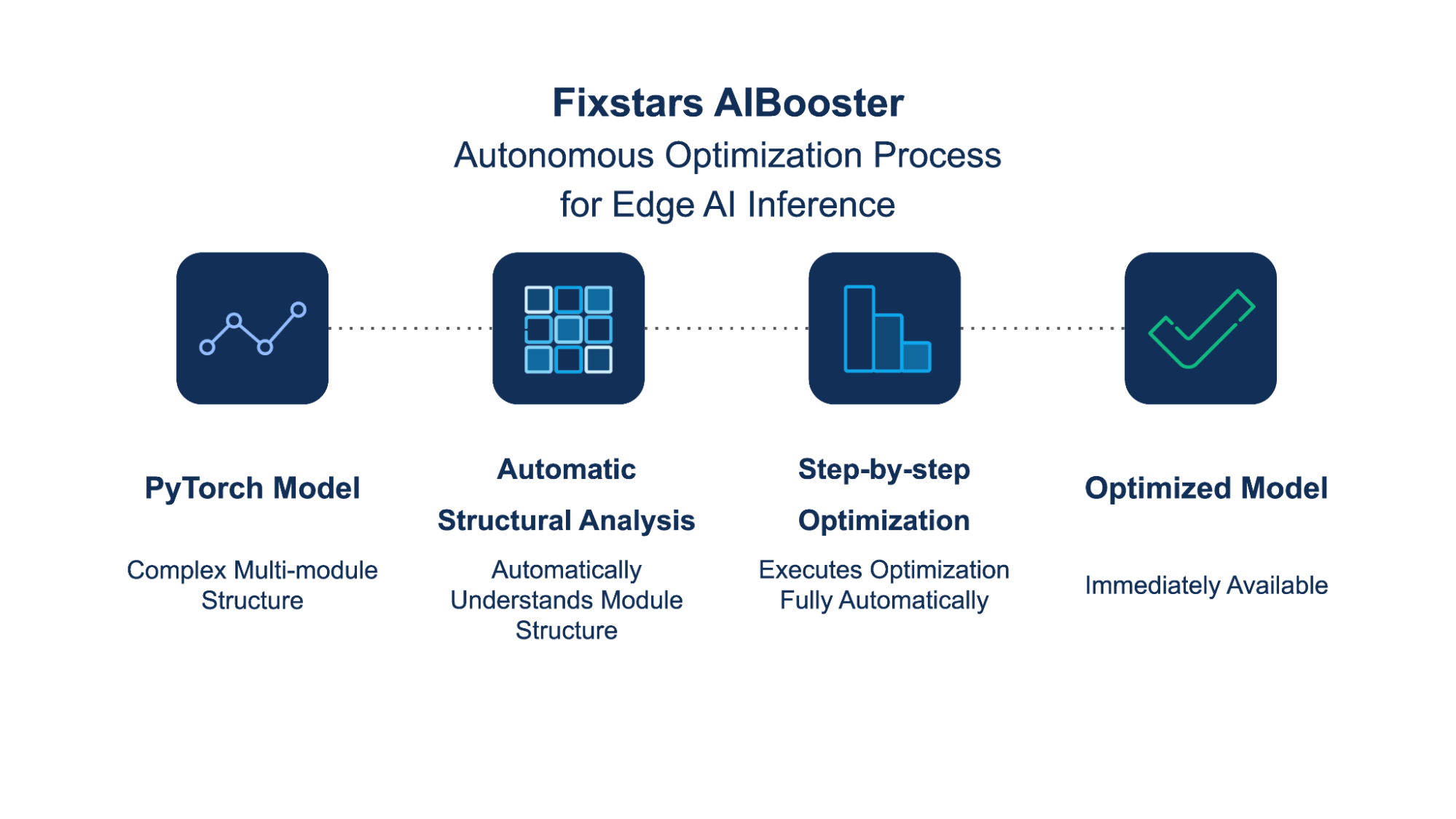
Fixstars Adds Autonomous Optimization Feature for Edge AI Inference to its AI Acceleration Platform "AIBooster"
IRVINE, California – Oct 09, 2025 – Fixstars Corporation (TSE Prime: 3687, US Headquarters: Irvine, CA), a leading company in performance engineering technology, today announced th...
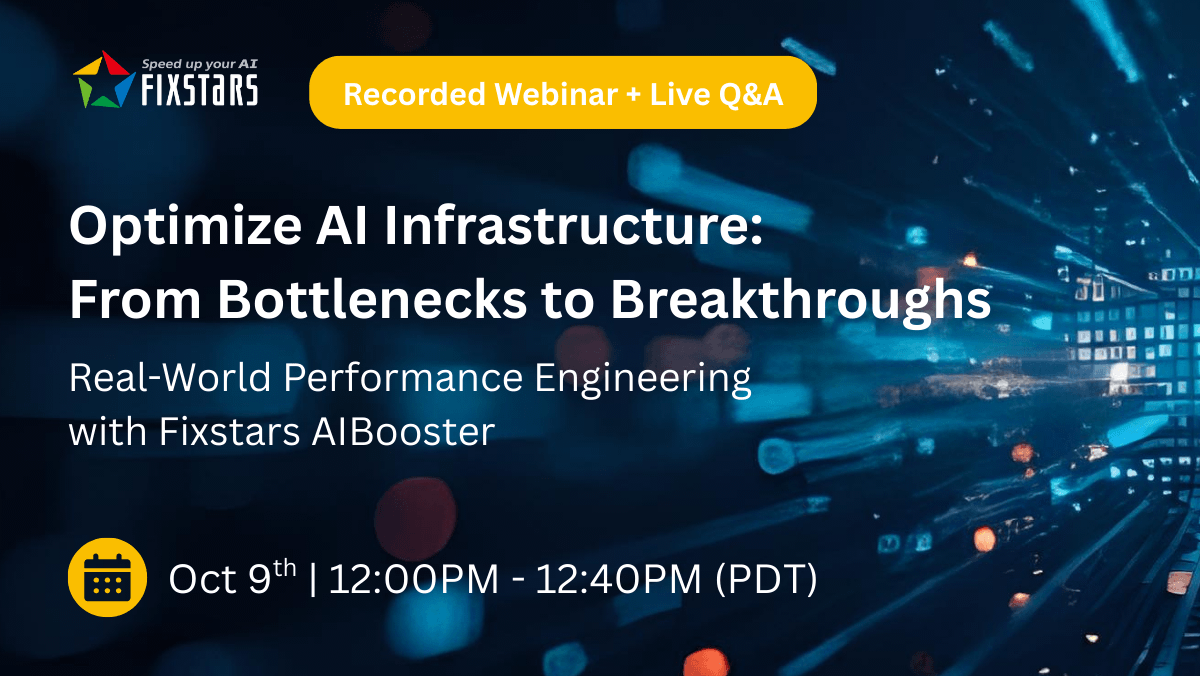
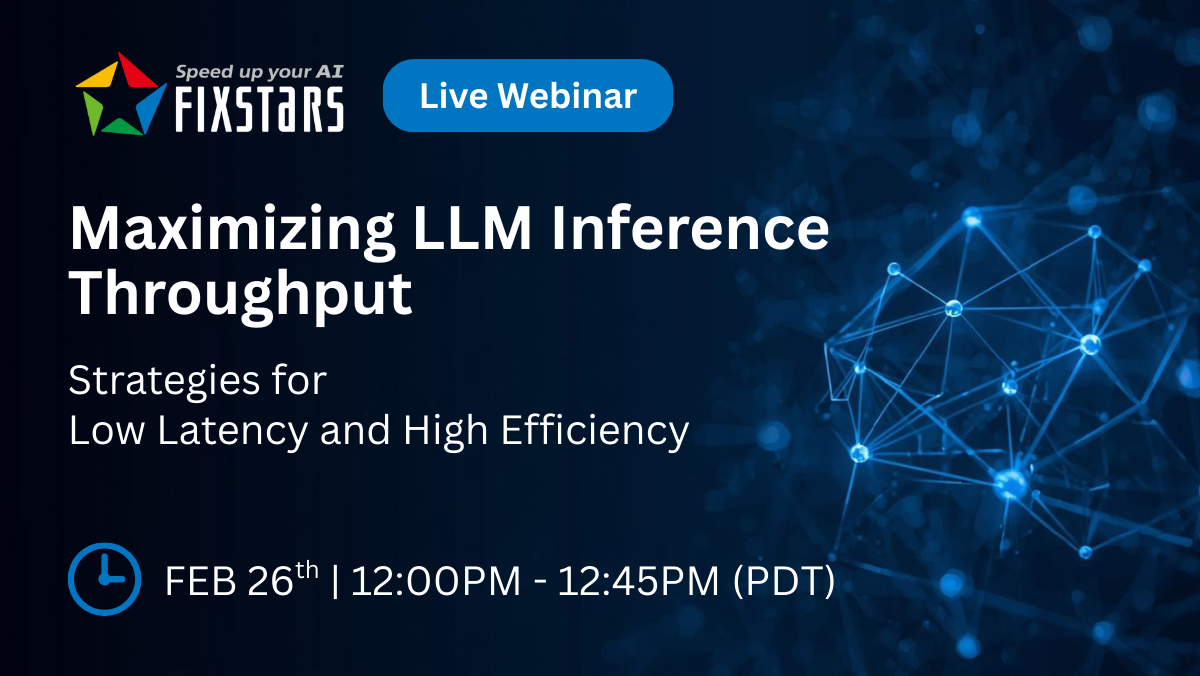
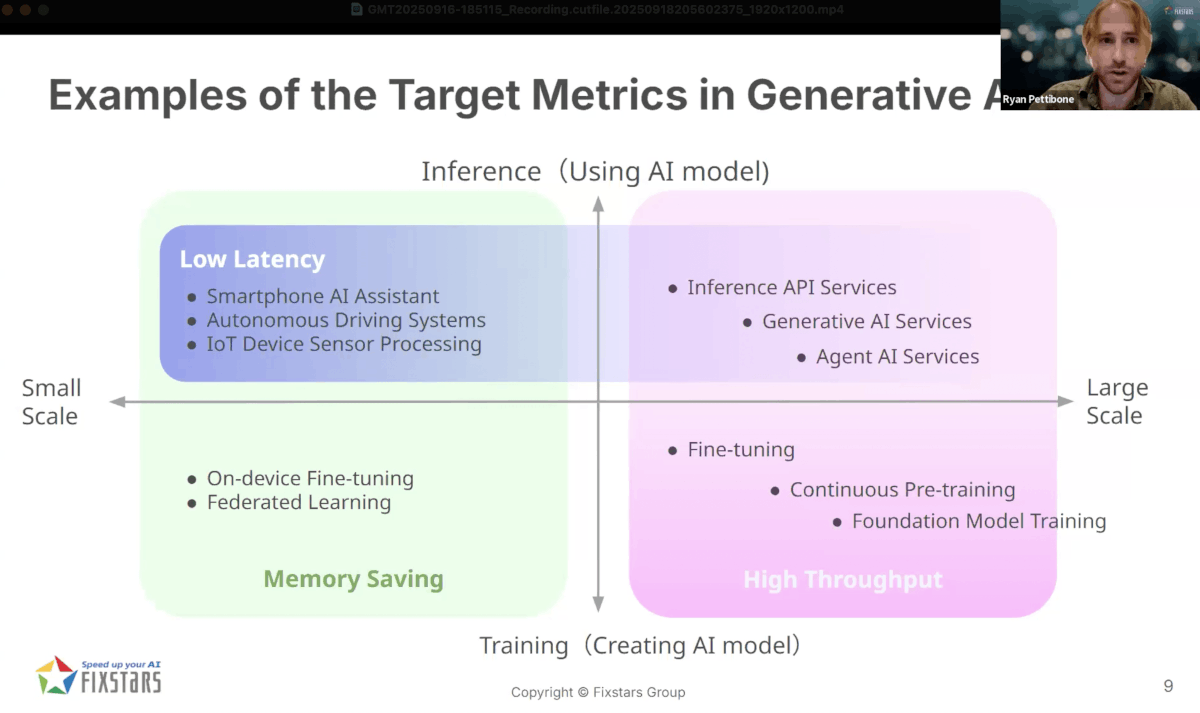
Announcing Our Upcoming Seminar: “Optimize AI Infrastructure: From Bottlenecks to Breakthroughs”
This is a rebroadcast of our highly rated session originally presented during our live event on September 16. While the presentation portion is pre-recorded, a short live Q&A segme...
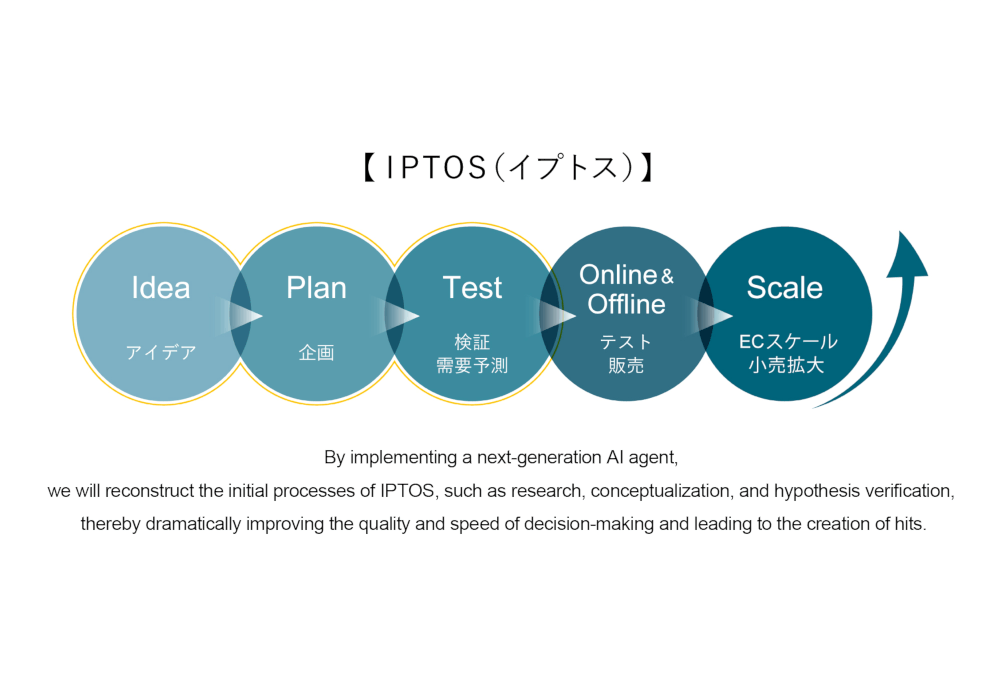

Revolutionizing Breast Cancer Screening with AI! AI Breast Cancer Screening "Smaopi" Launched
IRVINE, California – August 19, 2025 – Fixstars Corporation (TSE Prime: 3687, US Headquarters: Irvine, CA), today announced that its subsidiary, Smart Opinion Inc., has completed p...

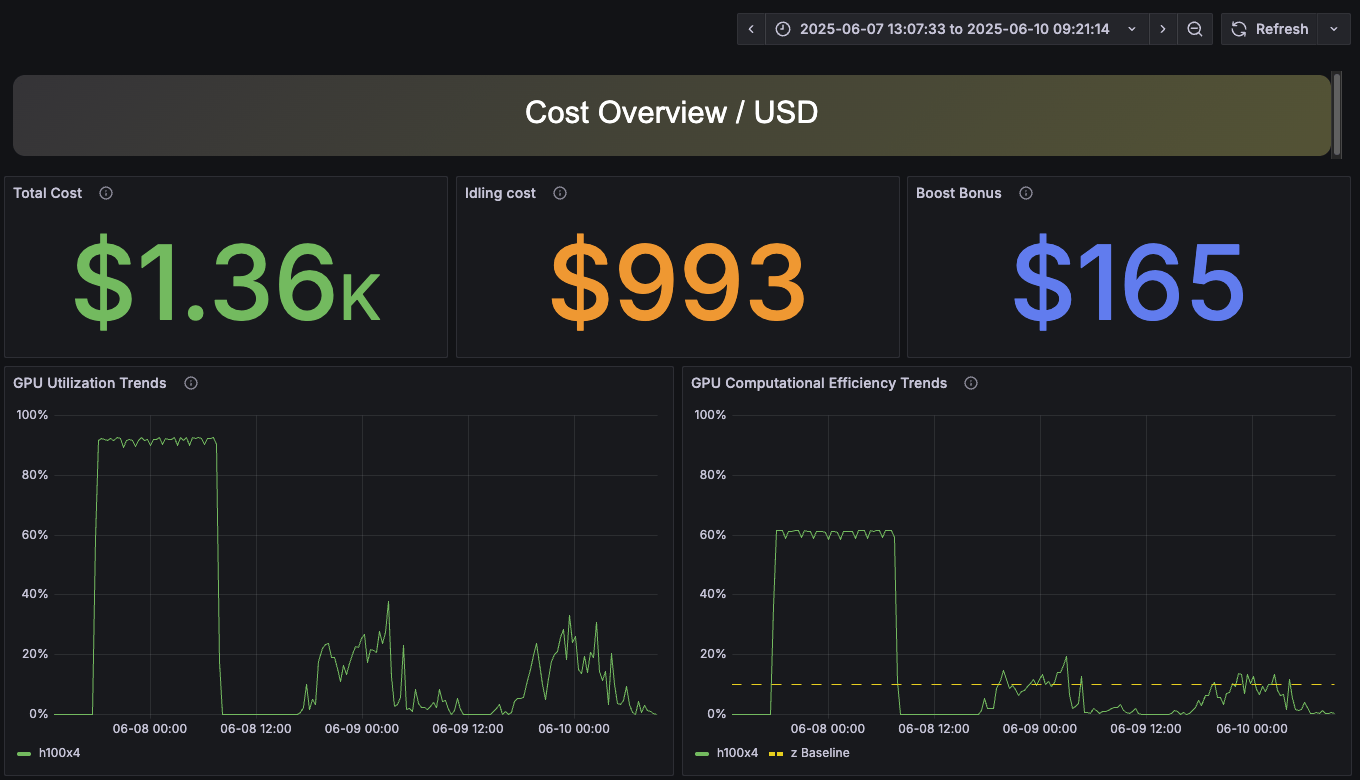
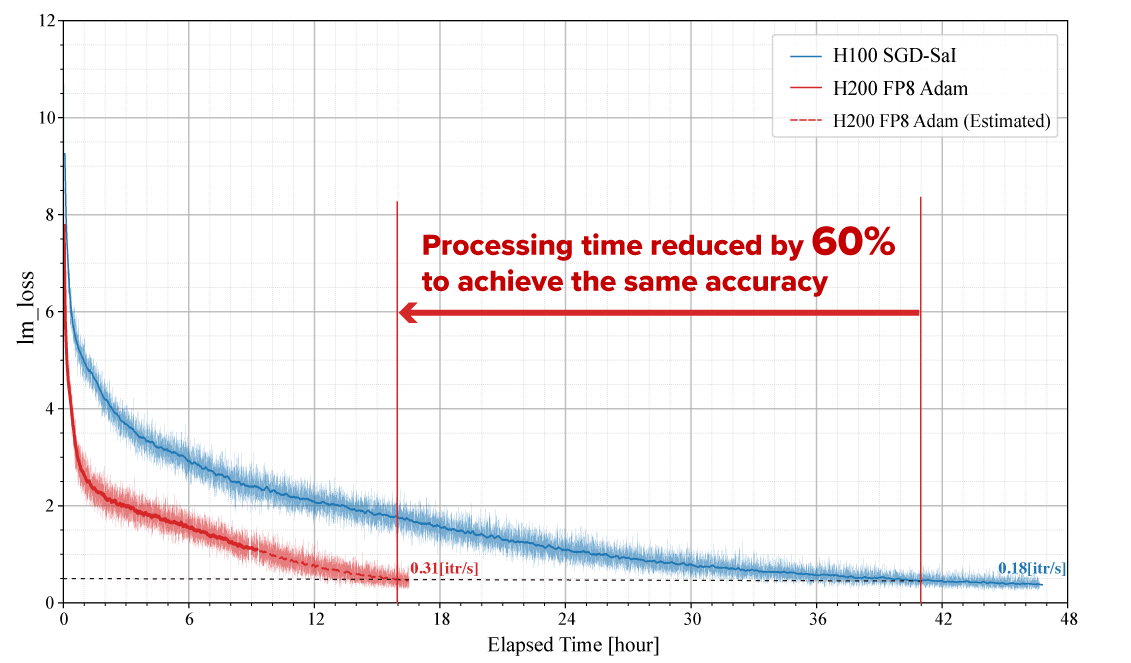
Fixstars Maximizes Performance of Sakura Internet’s Latest GPU Servers, "Koukaryoku PHY", with AIBooster
IRVINE, California – June 12, 2025 – Fixstars Corporation (TSE Prime: 3687, US Headquarters: Irvine, CA), a leading company in performance engineering technology, is pleased to ann...

Fixstars Launches Rental Service for "AIStation," an All-in-One Environment for Secure and Safe Private AI Use
IRVINE, California – June 17, 2025 – Fixstars Corporation (TSE Prime: 3687, US Headquarters: Irvine, CA), a leading company in performance engineering technology, has commenced ren...
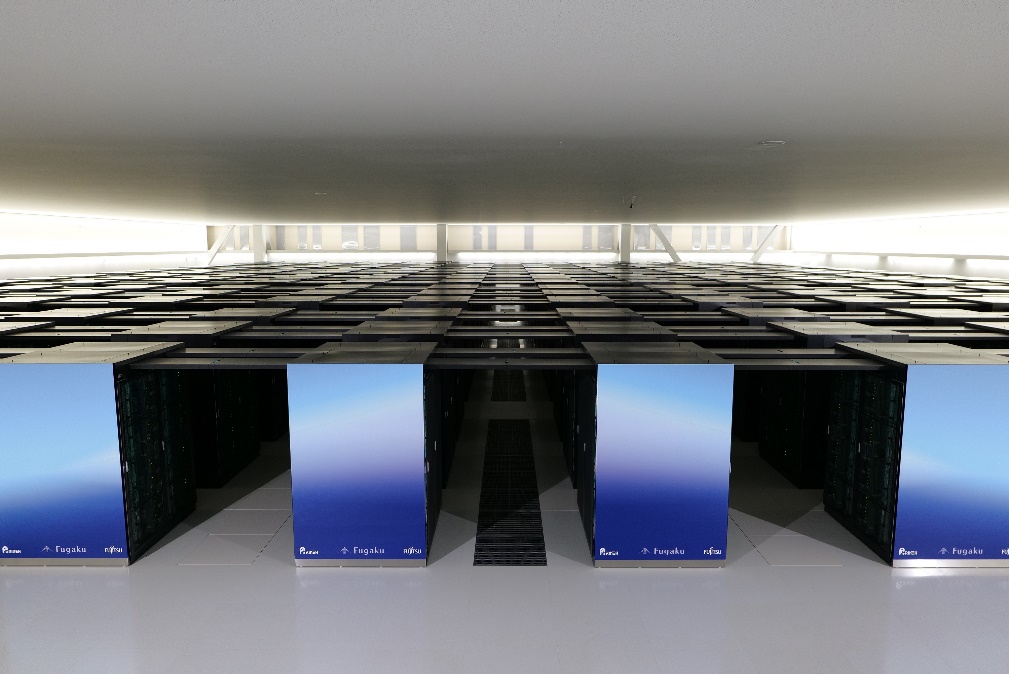
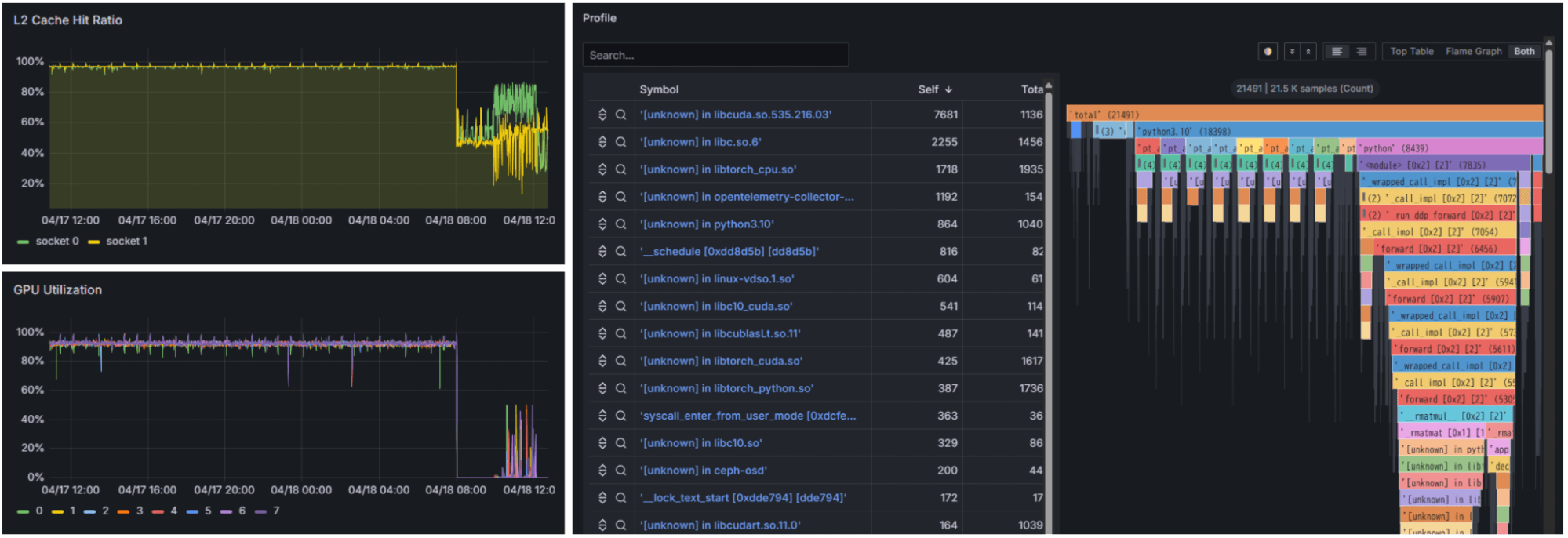
Fixstars Launches Free Download of "Fixstars AI Booster" Software to Visualize and Accelerate AI Processing Bottlenecks
IRVINE, California – May 15, 2025 – Fixstars Corporation (TSE Prime: 3687, US Headquarters: Irvine, CA), a leading company in performance engineering technology, is pleased to anno...
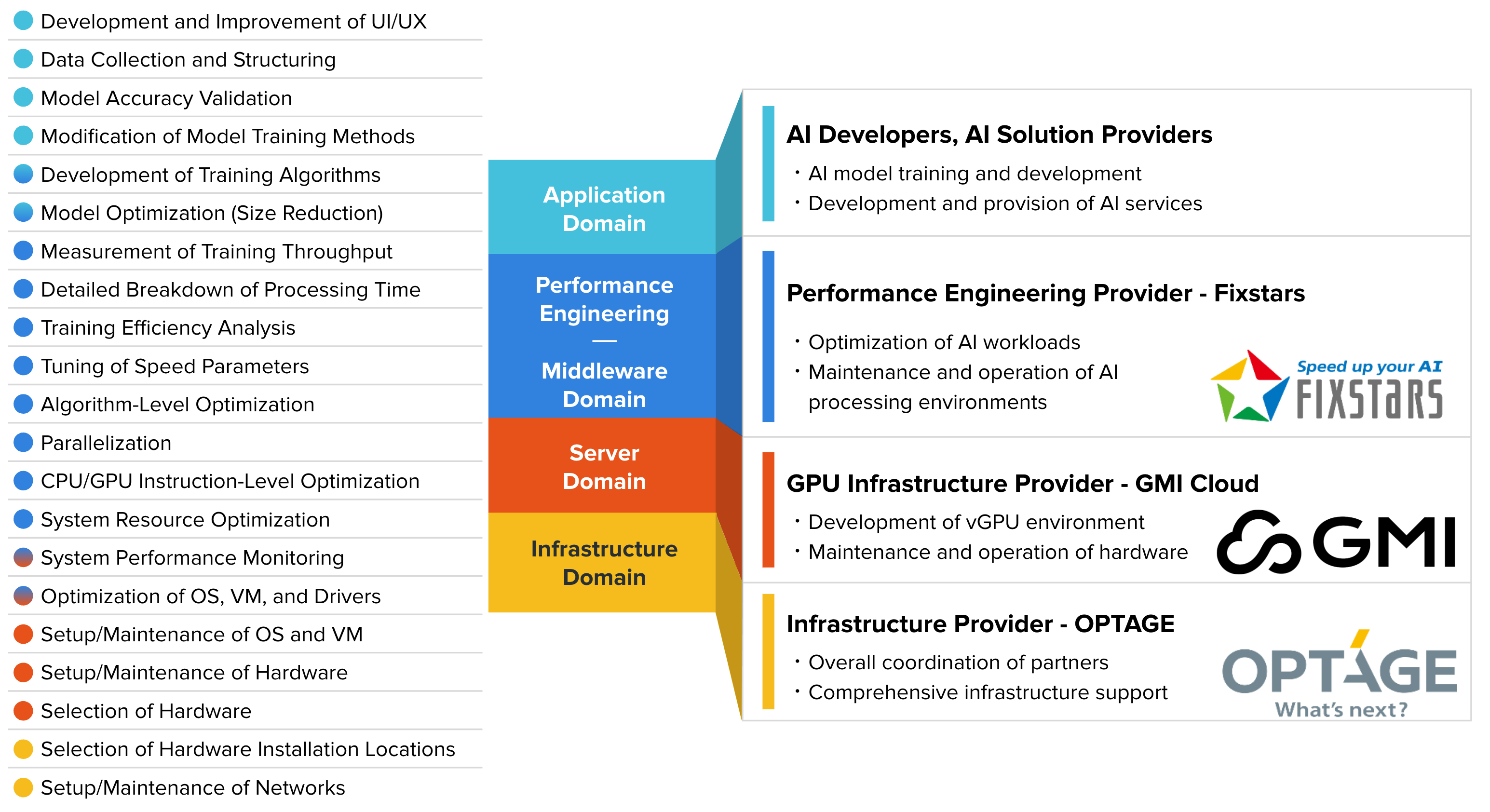
Fixstars Joins Optage and GMI Cloud Strategic Partnership as AI Software Technical Advisor
IRVINE, California. – April 15, 2025 – Fixstars Corporation (TSE Prime: 3687, US Headquarters: Irvine, USA), a company dedicated to advancing AI technologies through world-class pe...

Fixstars Open-Sources CUMVS: Multi-View Stereo Software for Rapid 3D Model Generation from 2D Images
TOKYO, JAPAN – February 27, 2025 – Fixstars Corporation (TSE Prime: 3687), a global leader in AI-powered software development and acceleration, today announced the open-source rele...
Smart Opinion Initiates AI Model Proof-of-Concept Experiment with World’s #1 Hospital, Mayo Clinic
A subsidiary of Fixstars Corporation, Smart Opinion, Inc. (Headquarters: Minato-ku, Tokyo; President and CEO: Kenji Yamanami), a company dedicated to developing "Smaopi," an AI-pow...
Fixstars Launches "AI Booster," an AI Acceleration Platform Optimizing GPU Utilization Across Diverse Applications
TOKYO, JAPAN, Jan. 8, 2025 — Fixstars Corporation, a global leader in AI-driven software development and acceleration, today announced the launch of “AI Booster”. “AI Booster” is a...

Fixstars Solutions to Showcase GPU-accelerated high-speed Networking Innovations at SEMICON West 2024
Irvine, CA – July 8th, 2024 – Fixstars Solutions Inc., a global leader in acceleration technologies, is excited to announce its participation in the upcoming SEMICON West 2024, fro...
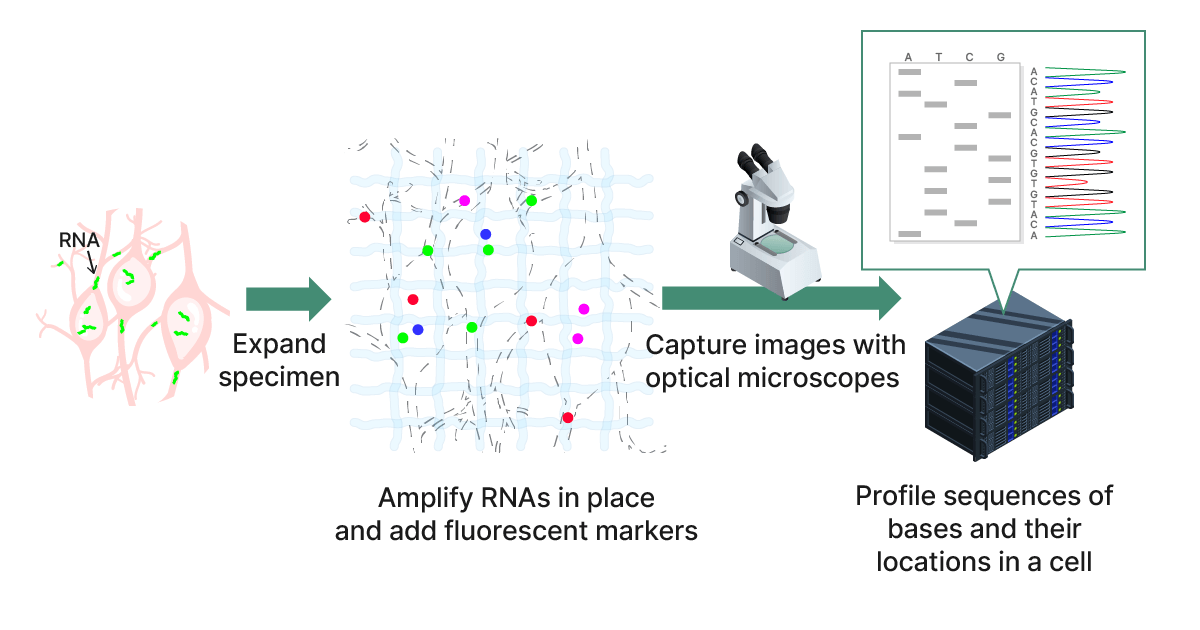
Weissman Lab & Fixstars Solutions to Explore Bone Marrow Research Using Expansion Sequencing.
Irvine, CA- June 27th, 2023. The Weissman Lab, led by Dr. Irving Weissman, a professor at Stanford University in Pathology and Developmental Biology, will be working directly with...
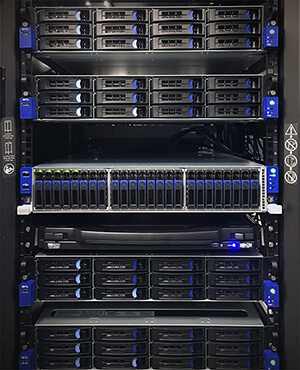
Fixstars Solutions Accelerates Brain-Wide Mesoscale Circuit Mapping in Cold Spring Harbor Laboratory
The high-end GPU cluster server system used by Cold Spring Harbor Laboratory (CSHL) was delivered by Fixstars; Fixstars also provided software consultation to utilize the GPUs.
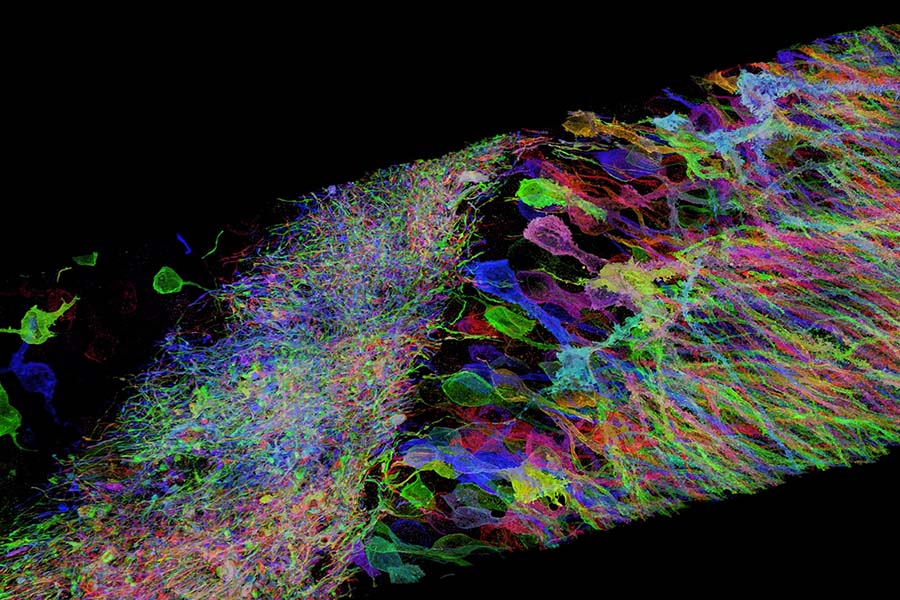
Fixstars announces the release of Expansion Microscopy Studio including the World's Fastest Deconvolution Software
November 13th, 2018 — Cambridge, MA, USA — Fixstars Solutions Inc., a global leader in providing multi-core CPU/GPU/FPGA acceleration technology, announced today that it has releas...